Category Archives: Map

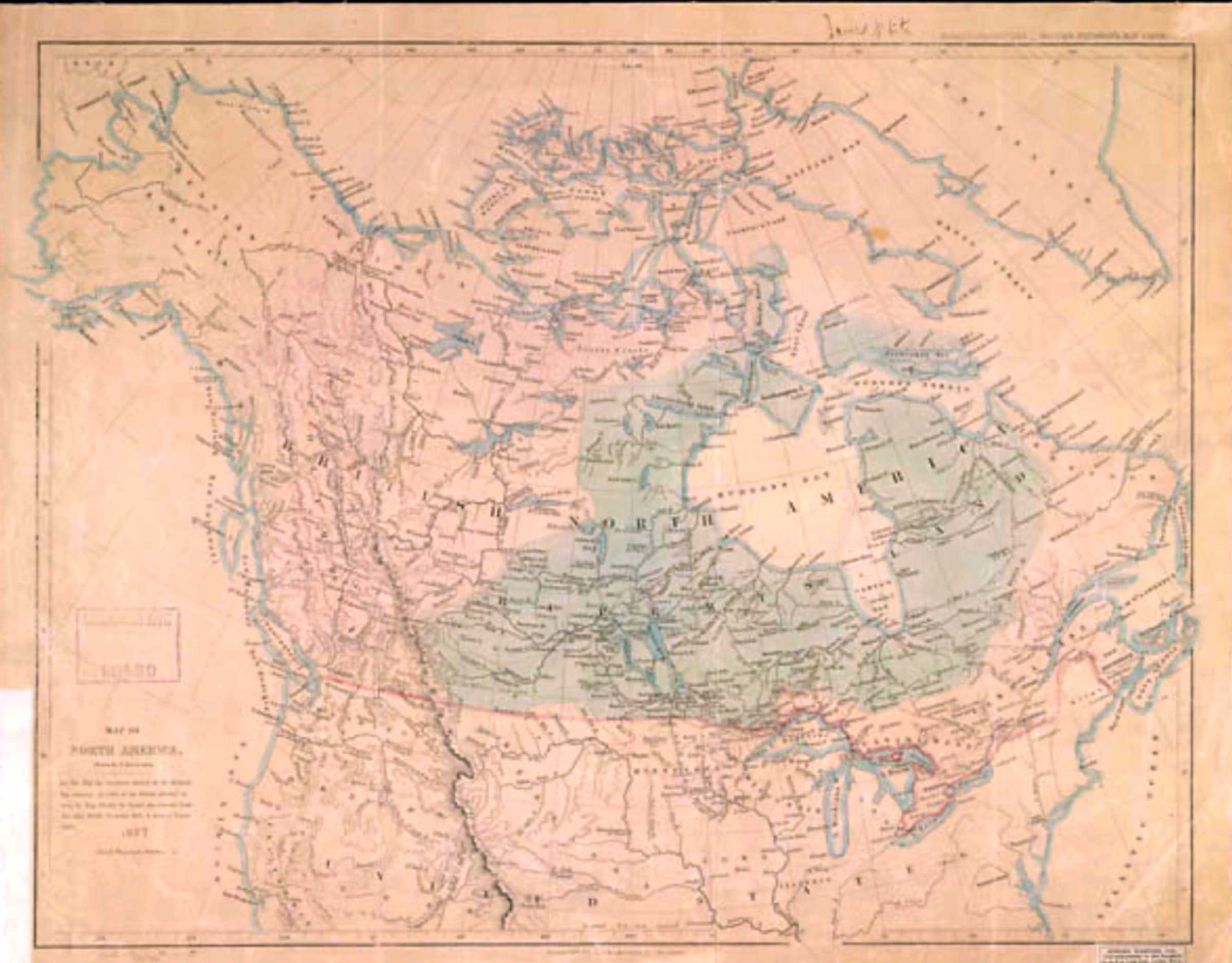
1897 Rinfret map of Northwest Territories

Northwest Territories by G. Rinfret, from “Henry-Thompson Travels” by Dr. Coues [1]
Map number 3 in Vooris [2]
This map includes:

References:

  • 1. Henry, Alexander [1739–1824]; Thompson, David [1770–1857]; Coues, Elliott, Editor. The Manuscript Journals of Alexander Henry, Fur Trader of the Northwest Company. And of David Thompson, Official Geographer and Explorer of the same Company, 1799-1814. Exploration and Adventure among the Indians on the Red, Saskatchewan, Missouri, and Columbia Rivers. Volume 2 of 3. New York: Francis P. Harper, 1897
  • 2. Voorhis, Ernest [1859–1933]. Historic Forts and Trading Posts of the French Régime and of the English Fur Trading Companies. Ottawa: Department of the Interior, 1930. University of British Columbia Library [accessed 3 January 2026]
Hood’s map Oregon 1838

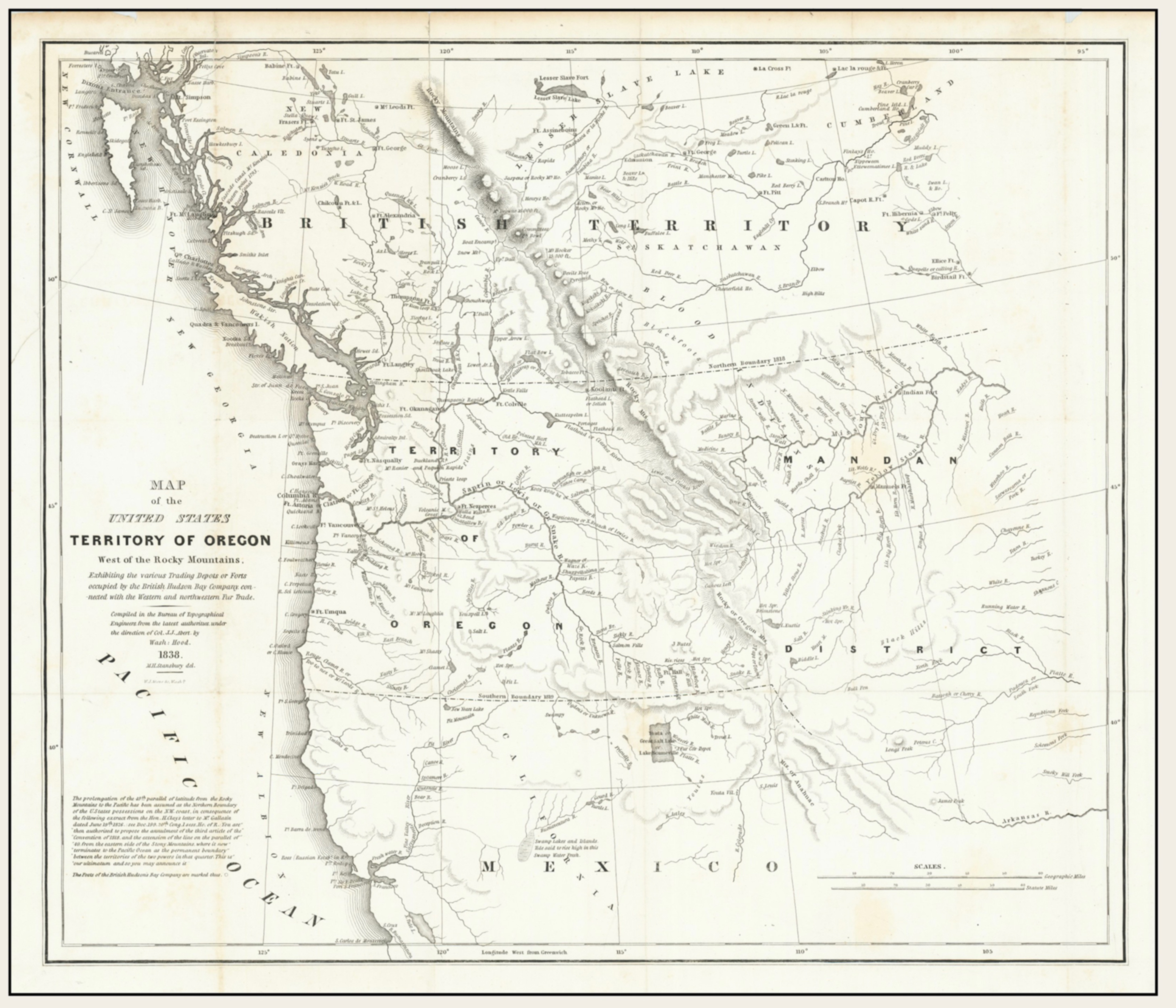
Map of the United States Territory of Oregon West of the Rocky Mountains. Hood 1838

Map of the United States Territory of Oregon West of the Rocky Mountains.
Hood 1838
RareMaps


Map of the United States Territory of Oregon West of the Rocky Mountains [detail] Hood 1838

Map of the United States Territory of Oregon West of the Rocky Mountains [detail]
Hood 1838
RareMaps

Map of the United States
Territory of Oregon
West of the Rocky Mountains

Exhibiting the various Trading Depots or Forts occupied by the British Hudson Bay Company connected with the Western and northwestern Fur Trade.

Compiled in the Bureau of Topographical Engineers from the latest authorities, under the direction of Col. J. J. Abert, by Wash: Hood.

1838

Showing Oregon Territory used during Congressional Debates about the Status of Oregon Country. The Hood map follows Aaron Arrowsmith’s map of 1834.

Hood’s landmark map of the Oregon Country was integral to political debates about the area, its place in the growing United States, and its boundary with Britain. It was made by Washington Hood, a Captain in the US Army and one of the first members of the fledgling Corps of Topographical Engineers, in 1838.

The map depicts North America west of the Mississippi River, which is not shown. In geography, the map closely follows Aaron Arrowsmith’s 1834 map of North America and adopts a similar, clean style. In the “Territory of Oregon,” a designation the area did not yet officially have, the Columbia River is the dominating feature, with forts and outposts of the Hudson’s Bay Company (HBC) marked. To the north, the “British Territory” is demarcated by a dotted and dashed line at the 49th parallel. The choice of this boundary was not clear cut and reveals the intense debates that occurred around the time this map was made regarding Oregon’s status within the United States.

This map includes:
Acton House [as “Acton or Rocky Mt. Ho.”]
Athabasca River [as “Athabasca or la Birche R.”]
Boat Encampment
Mount Brown [as “M. Browne 16,000 ft.”]
Canoe River
Committee Punch Bowl [as “Committees Ph. Bowl”]
Columbia River
Cranberry Lake
Fort St. James
Fort Fraser
Fort George
Henry’s House (1)
Mount Hooker [as “Mt. Hooker 15,700 ft.”]
Jasper House [as “Jaspens or Rocky Mn. Ho.”]
McLoud’s Fort
Moose Lake
Rocky Mountains
Rocky Mountain House [as “Acton or Rocky Mt. Ho.”]
Smoky River
South Fork Fraser River [as “Gt. Fork”]

Arrowsmith’s map of HBC territory 1857

Map of North America. Drawn by J. Arrowsmith, 1857

Map of North America.
Drawn by J. Arrowsmith, 1857
Library and Archives Canada [accessed 10 February 2026]

Map of North America.
Drawn by J. Arrowsmith.
On this map, the territories claimed by the Hudson’s Bay Company in virtue of the charter granted to them by King Charles the Second, are coloured green the other British territories, pink & those of Russia, yellow.
1857

Map number 8 in Voorhis [1].

References:

  • 1. Voorhis, Ernest [1859–1933]. Historic Forts and Trading Posts of the French Régime and of the English Fur Trading Companies. Ottawa: Department of the Interior, 1930. University of British Columbia Library [accessed 3 January 2026]

Arrowsmith’s map North America 1850

Map number 100 in Historic Forts and Trading Posts, the enumeration of 600 forts and 150 maps of the fur trade by Ernest Voorhis [1859–1933] [1].

I’ve been unable o pin down this map; it is not John Arrowsmith’s map BC 1859.

References:

  • 1. Voorhis, Ernest [1859–1933]. Historic Forts and Trading Posts of the French Régime and of the English Fur Trading Companies. Ottawa: Department of the Interior, 1930. University of British Columbia Library [accessed 3 January 2026]

Bowen’s map North America 1763

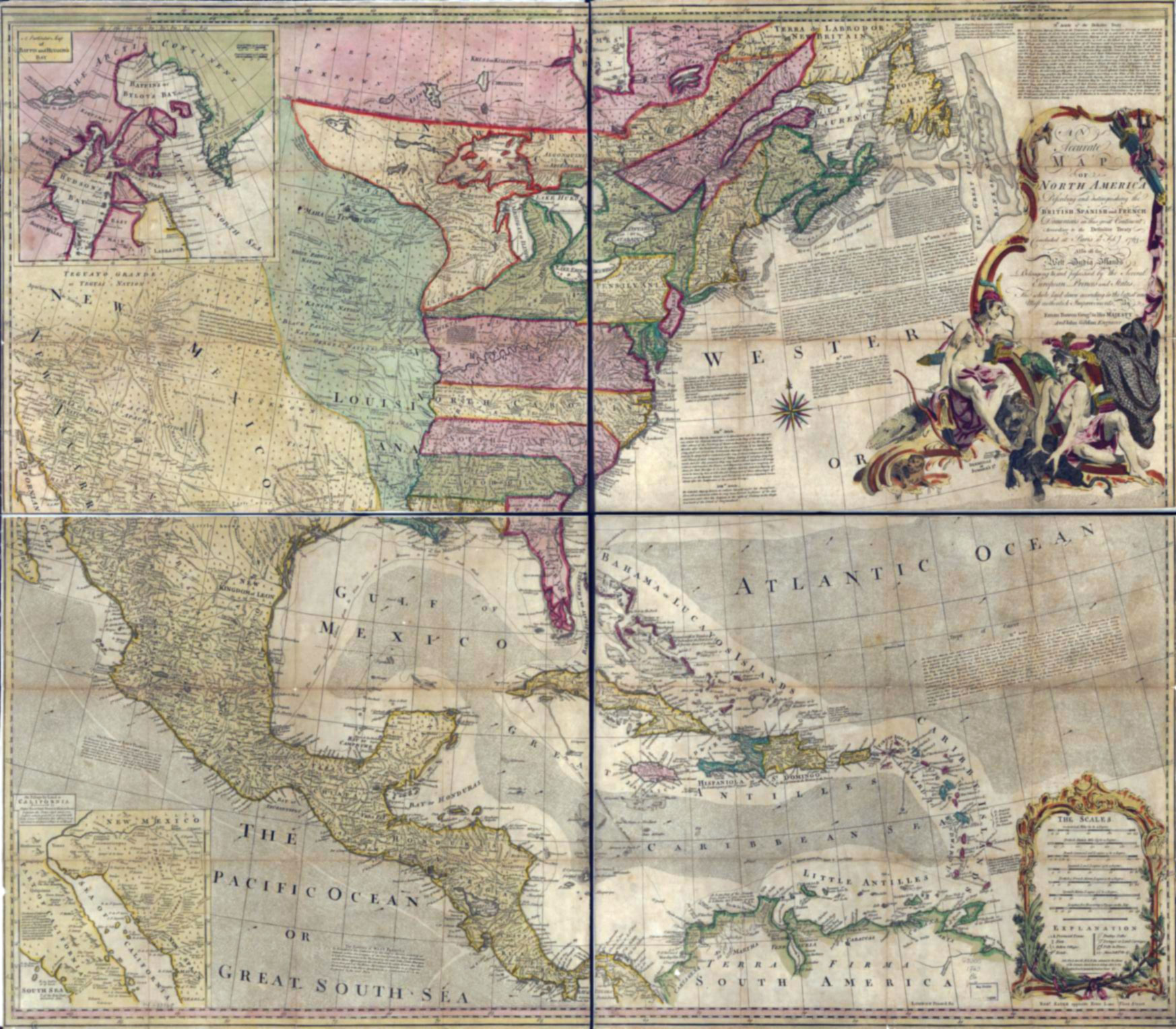
An accurate map of North America. Bowen 1763

An accurate map of North America.
Bowen 1763
Library of Congress [accessed 19 January 2026]

An accurate map of North America. Describing and distinguishing the British, Spanish and French dominions on this great continent; according to the definitive treaty concluded at Paris 10th Feby. 1763. Also all the West India Islands belonging to, and possessed by the several European princes and states. The whole laid down according to the latest and most authentick improvements.
London, Printed for Robt. Sayer.

Attributed to Welsh cartographer Emanuel Bowen [1694–1767].

Ernest Voorhis [1859–1933] in Historic Forts and Trading Posts mistakenly says this map shows Jasper House, “built in 1799 at outlet of Brûlé Lake and called Rocky Mountain House” [1].

This map includes:
Parts Unknown
References:

  • 1. Voorhis, Ernest [1859–1933]. Historic Forts and Trading Posts of the French Régime and of the English Fur Trading Companies. Ottawa: Department of the Interior, 1930, Map No. 98. University of British Columbia Library [accessed 3 January 2026]